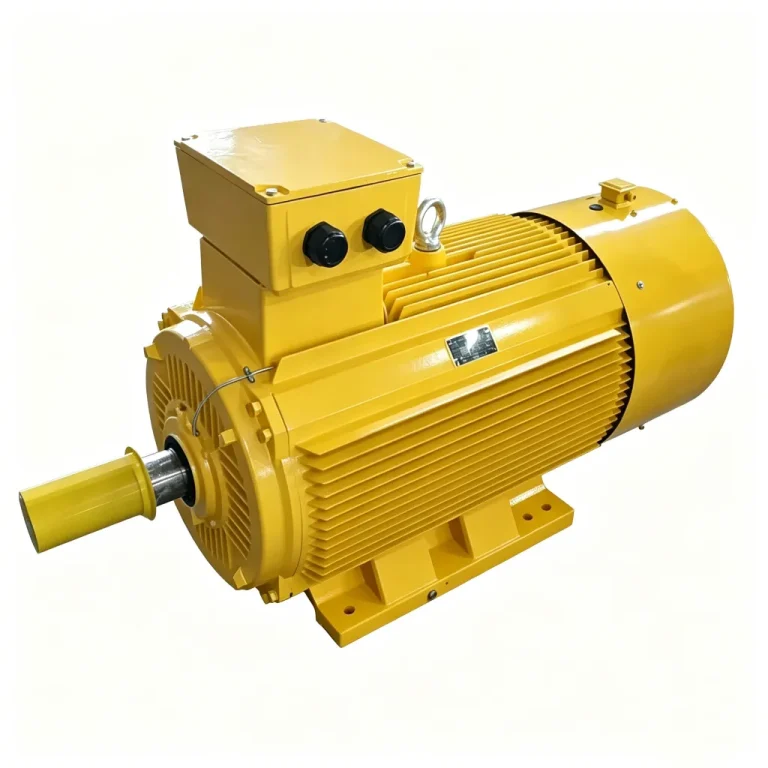
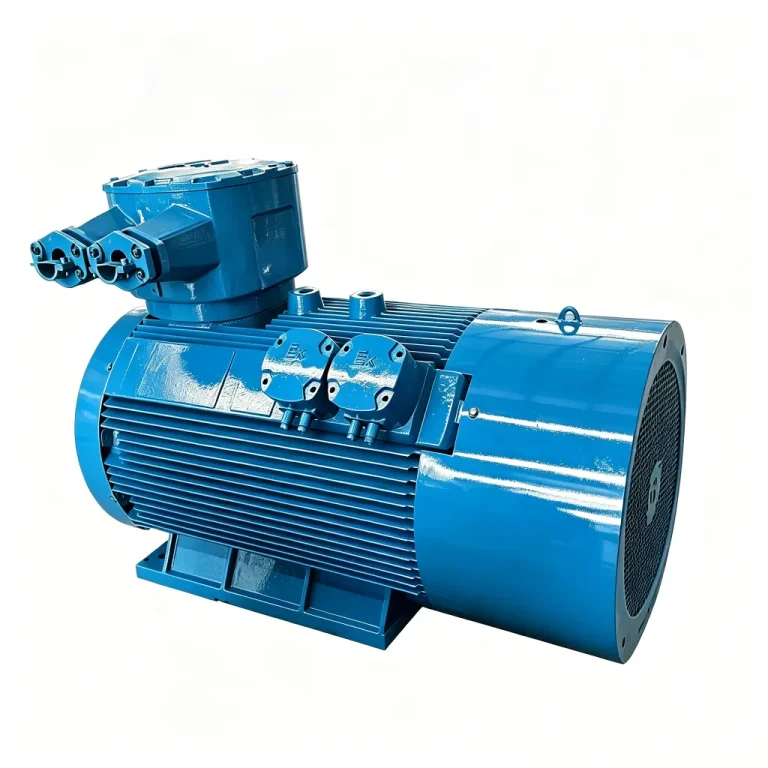
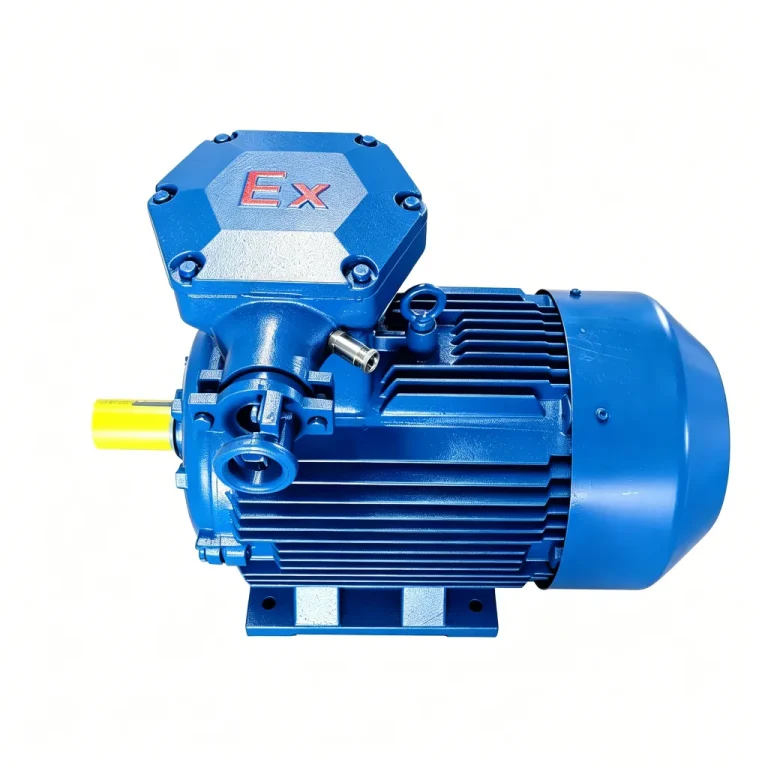
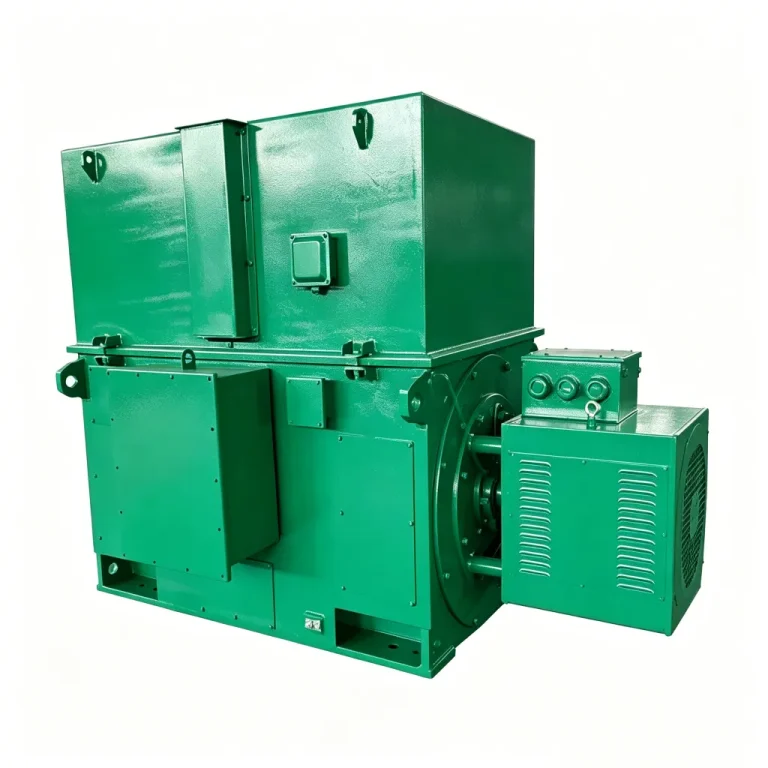
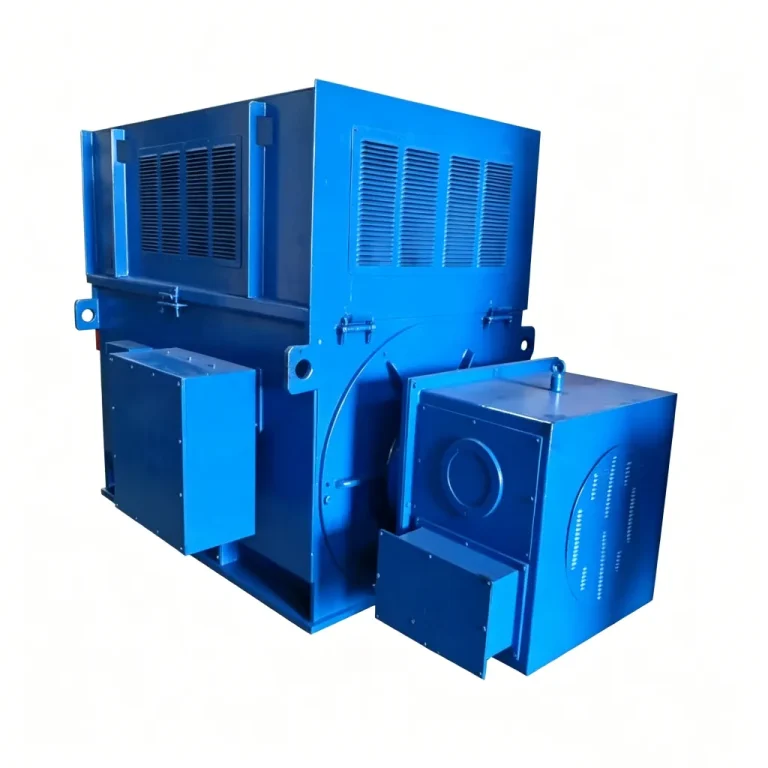
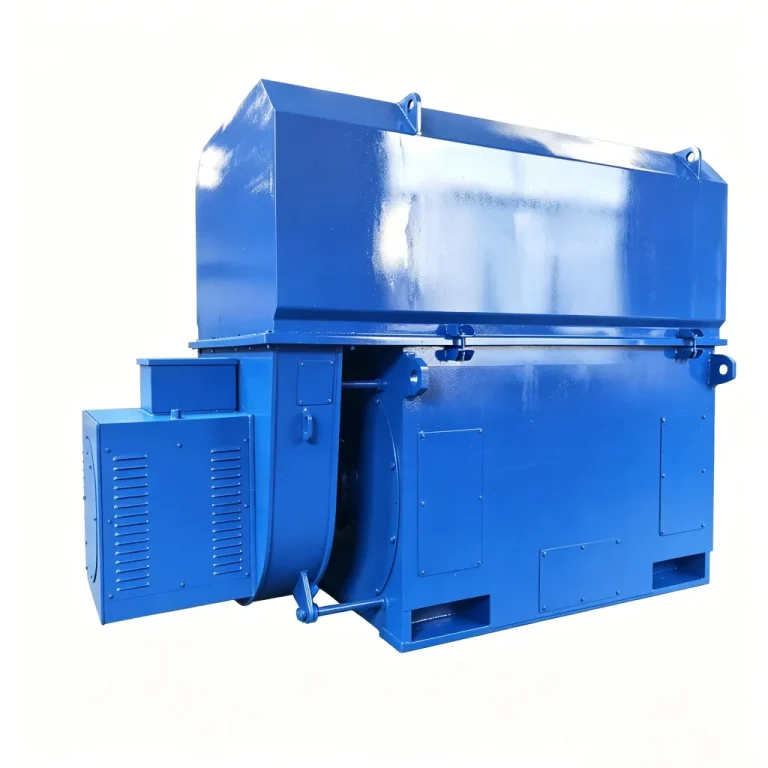
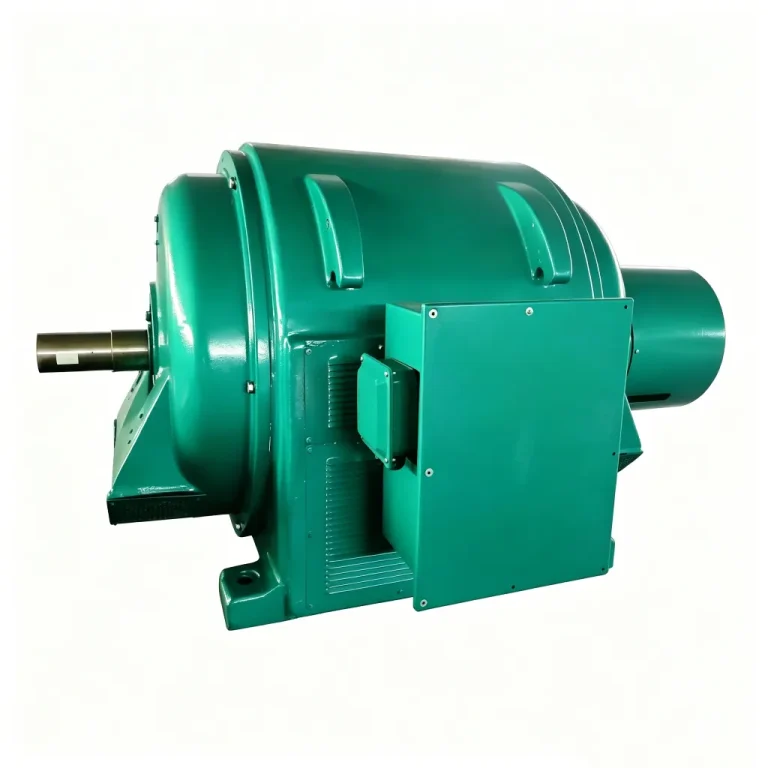
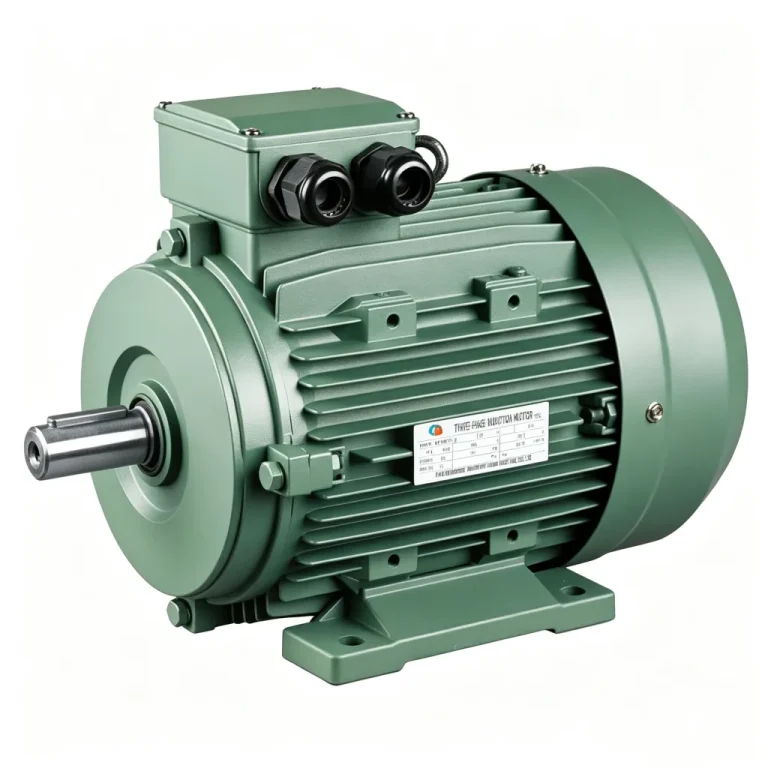
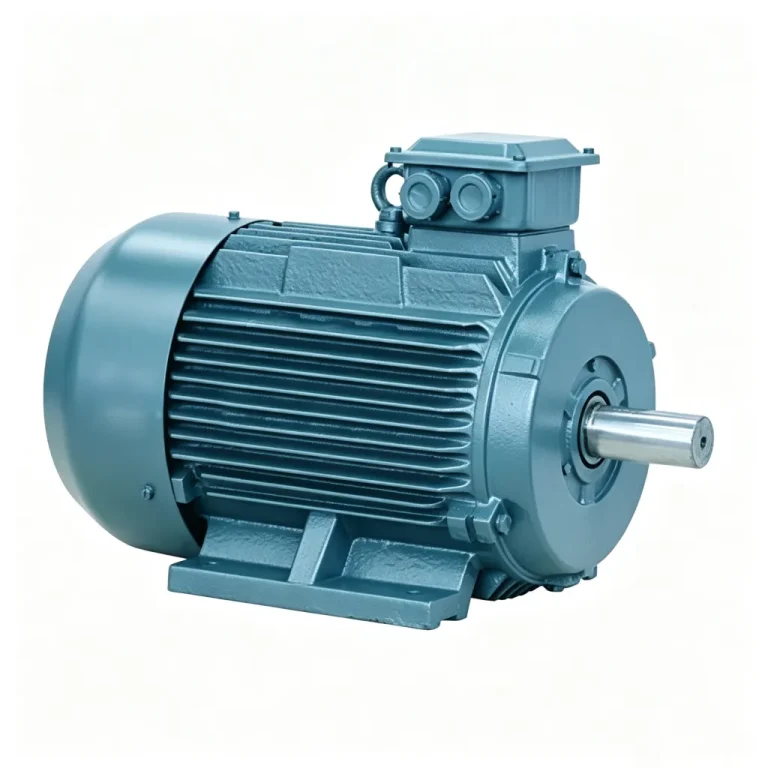
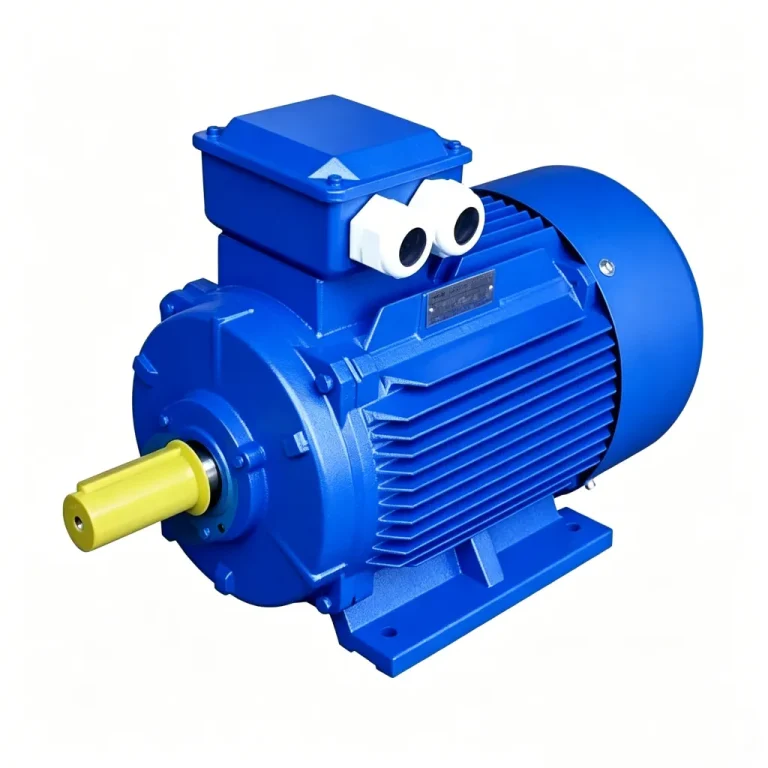
High Voltage Electric Motor Selection Considerations
一. Power and Rotational Speed Selection
1. Allow for a margin in rated power
Select the model based on the load shaft power, not exactly equal to the calculated power. For continuously operating equipment, allow for a 10%–15% margin; for impact loads (crushers, ball mills), allow for a 20%–30% margin; avoid prolonged full-load operation leading to overheating.
Note: High voltage electric motors should not have excessive margins, as this will reduce motor efficiency and power factor, resulting in energy waste.
2. Rated Speed Matching Process
Prioritize matching the required speed of the equipment to reduce the need for reduction gears; Distinguishing between squirrel cage induction motors and slip ring induction motors:
1. Ordinary fans and water pumps: Use high voltage squirrel cage induction motors, which have a simple structure and require less maintenance;
2. Crusheres and ball mills: Use high voltage slip ring induction motors, which can meet the high starting torque requirements.
3. Startup Condition Verification
- Confirm grid capacity; voltage drop during high voltage electric motor startup must not exceed the allowable value specified in the standard.
- For heavy-load starting equipment, verify the motor’s locked rotor torque and maximum torque to ensure they meet load startup requirements.
- Determine the starting method: direct start, reactor start, soft start, or frequency converter start.
二、Voltage Level Selection
- Power 200-800kW: 6kV is commonly used;
- Power >800-1000kW: 10kV is preferred to reduce motor current and cable loss;
The voltage must be consistent with the output voltage of the on-site high voltage switchgear; A 10kV motor cannot be used in a 6kV system.
Check: Rated voltage, allowable voltage fluctuation range; generally, it can operate continuously under ±5% of the rated voltage.
三、Protection Grade
Indoor clean electrical distribution room/pump room: IP23, IP44; Dust, moisture, outdoor: IP54, IP55; Explosion proof area: High voltage explosion proof motor (Ex) of the corresponding explosion proof rating must be selected.